
Buy Fine Art Photography — A Guide for Collectors
Buy fine art photography — what you are actually looking for
The search begins before you know what you are searching for. A photograph stops you — in a gallery, on a screen, in someone else's home. It says something you cannot immediately name. That moment is not decorative impulse. It is the beginning of a decision.
Fine art photography for sale exists at the intersection of what moves you and what lasts. Understanding the difference between a print worth collecting and a reproduction worth scrolling past is the only skill that matters. Everything else follows from that. For a deeper look at what makes fine art photography its own discipline, the distinction starts there.

Lone silhouette on coastal rock at golden sunset, fine art photography for sale Edition of 5
What makes fine art photography worth buying — not just owning
There is a difference between a photograph that decorates a room and one that changes it. The first fills space. The second claims it.
Fine art photography is made with a singular intention — not to document an event, not to illustrate a text, but to make a claim about the world. The claim might be about scale, about solitude, about the weight of an ordinary moment. Whatever it is, it is specific. It is the result of a decision the photographer made — what to include, what to wait for, what to leave out.
The image is what stops you. Everything else — edition, certificate, framing — is what makes the stopping worthwhile.
A gondolier navigating a narrow canal. A single figure on a coastline at the precise moment the light decides to cooperate. Eight hundred thousand bicycles arranged by a city that has never questioned whether this is a reasonable number. None of these images are about what they depict. They are about the decision that produced them. That decision is what you are acquiring.
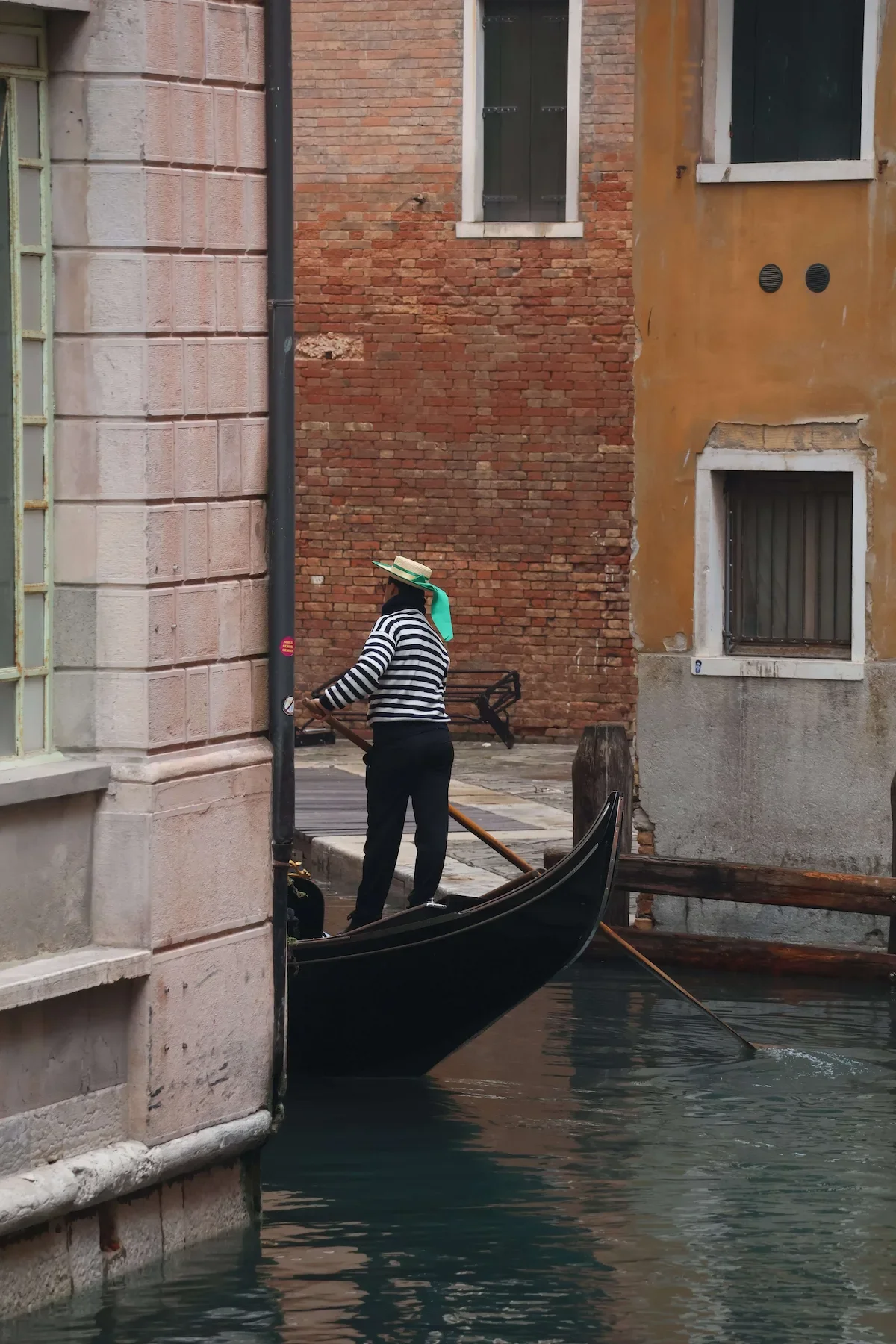
Gondolier navigating narrow Venice canal, fine art photography print for collectors
Fine art photography for sale — what to look for before you buy
Not all photography offered for sale is fine art photography. The term is used loosely — by galleries that mean it, by print shops that don't, and by a large number of online platforms that use it interchangeably with "decorative." Three things distinguish the real thing.
The first is intention. The work was made to exist as an autonomous object — not to serve another purpose. It has no brief behind it, no client, no occasion. It was made because the photographer saw something worth making permanent.
The second is edition. The number of prints that will ever exist is defined, documented, and enforced. Not "a limited run" — a specific number. Edition 3 of 5 means four other collectors in the world hold the same image, and no one else ever will. When the fifth is placed, the edition closes. Permanently.
The third is documentation. A physical and digital certificate of authenticity travels with the work. It records the edition number, the dimensions, the materials, the artist's signature. Without it, the edition is a claim. With it, it is a verifiable fact that will hold up through resales, insurance claims, and estate inventories. This is what collectors and insurers mean when they refer to provenance. If you want to understand exactly what a certificate contains and why it matters, read our guide to the certificate of authenticity for art.
How fine art photography is sold — the inquiry model
Most fine art photography at the serious end of the market is not sold through a shopping cart. It is sold through a conversation.
There is no checkout page on pictelier.com. When a work catches your attention, you submit an inquiry — your name, the title of the work. Within 24 hours, you receive a personal response: current availability, framing options, and a custom mockup of the work placed in your specific space. The price is part of that conversation — not a number posted beside a cart.
There is no shopping cart. There is a conversation.
This is not evasion. It is the recognition that a work you will live with for twenty years deserves more context than a checkout page can provide. The inquiry model preserves the human, artisanal nature of the transaction. Every acquisition is a conversation between the atelier and the collector. Every time.
"The framing alone told me this was made by someone who takes the work seriously." — K.A., Dubai
For a complete overview of the process — editions, framing, what to expect from first inquiry to delivery — the guide to how to buy your first fine art photograph covers every step.
A work has caught your attention. The inquiry form is on every work page — name, title of the work. You hear back within 24 hours. Browse the collection →
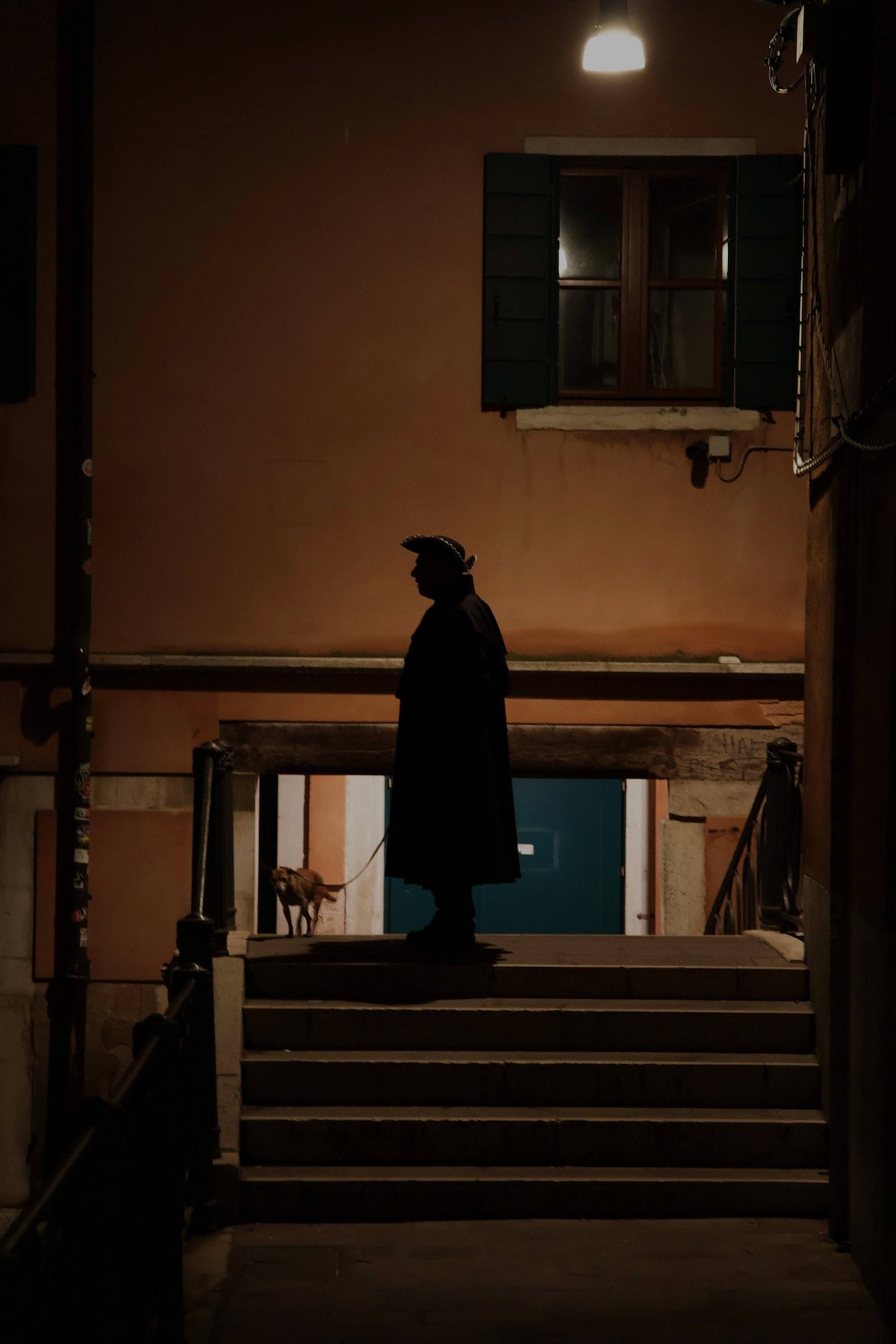
Solitary figure with dog on Venice staircase at night, limited edition fine art photography print
Fine art photography editions — why the number matters when you buy
When you buy fine art photography, you are not buying an image. You are buying a specific object within a finite sequence.
An edition of five means five collectors will ever hold this work. The first to acquire it holds edition 1/5. The last closes the series at 5/5. Neither is inherently more valuable — but both have a specific, documented relationship to the history of the work that only the certificate can confirm.
An edition that closes is an edition that holds.
This matters for two reasons. The first is practical: a closed edition is a verifiable record of scarcity. The work cannot be reprinted. What exists in the world is everything that will ever exist. The second is conceptual: the collector who holds edition 5/5 is the one who closed something. That is a different kind of ownership than purchasing a reproduction that exists in thousands of copies.
When evaluating fine art photography for sale, always ask: how many prints exist in this edition? Are they individually numbered and documented? Who enforces the limit — the artist, a gallery, or no one in particular? The answers tell you everything about whether what you are buying is collectible or merely decorative.

Dense rows of Amsterdam bicycles canal, limited edition fine art photography print numbered signed
Where to buy fine art photography online
The serious market for fine art photography online is smaller than the volume of results suggests. Most platforms that appear when you search for fine art photography for sale are aggregators — marketplaces where the term is used as a category label, not a standard. The distinction between a signed, numbered, certificated work and a high-resolution poster sold at the same price point is invisible in a grid view. An online art gallery that takes editions seriously will make that distinction obvious.
What to look for: works individually numbered within closed editions, certificates of authenticity specific to each print, a clear description of materials and framing, and a human response when you inquire. The same applies whether you are exploring fine art street photography or architectural work — the standards do not change by genre.
At Pictelier, every work in the collection exists in five copies worldwide. Each is hand-framed in Amsterdam before it ships. Each comes with a physical and digital certificate of authenticity. The atelier responds to every inquiry personally, within 24 hours, with availability and a custom mockup for your specific space.
The inquiry form is on every work page. It takes thirty seconds.
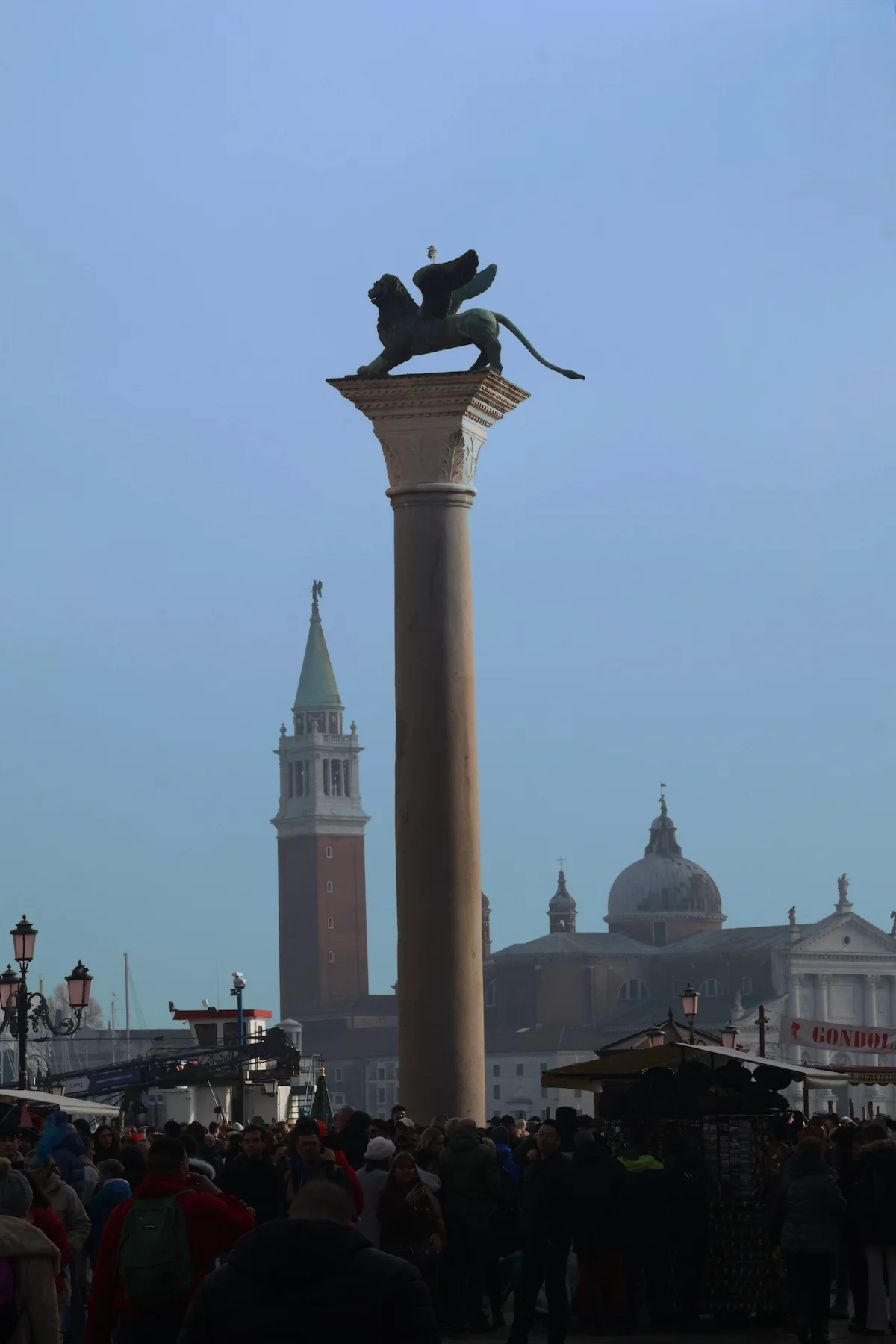
Winged Lion of St Mark column above Venice crowd, fine art photography print Edition of 5
Frequently asked questions
Where can I buy fine art photography online?
Fine art photography can be acquired through artist ateliers, galleries with online presences, and curated platforms. The key distinction is whether the work is issued in a documented, closed edition with a certificate of authenticity. Aggregator platforms vary widely in standards — always verify the edition details and documentation before acquiring.
How much does fine art photography cost?
Fine art photography ranges significantly depending on the artist, edition size, print dimensions, and framing. Entry-level works from emerging artists can begin at a few hundred euros. Established names with small editions reach into the thousands. At Pictelier, pricing is provided through the inquiry process — the atelier responds with availability and details within 24 hours of any inquiry.
How do I know if a fine art photograph is authentic?
Authenticity is established by a certificate of authenticity that records the specific edition number, total edition size, artist's signature, and production details. The issuing atelier should be contactable to confirm the edition record. If the certificate is vague — "one of a limited series" rather than "edition 3/5" — treat it as a flag. Every Pictelier work comes with a rigorous physical and digital certificate.
What should I look for when buying fine art photography?
Three things: intention (the work was made as an autonomous object, not to serve a commercial purpose), edition (the number of prints is defined, documented, and enforced), and documentation (a certificate of authenticity travels with the work and is verifiable). Beyond these, trust what stops you. The works that last in a collection are the ones that keep producing — the image that still has something to say after a year on the wall.
Is fine art photography a good investment?
Fine art photography from established or emerging artists with documented, closed editions has performed well in the secondary market — particularly works with small editions, strong provenance, and certificates of authenticity. The practical question is not whether it appreciates, but whether it belongs on your wall regardless. A work you acquire because it moves you will hold its meaning whether or not the market agrees. A work acquired purely for investment, without that connection, rarely does either job well.
Fine art photography for sale is not a category you browse. It is a decision you make — once, deliberately, about what you want present in your daily life.
The works that endure in collections are not the ones that impressed immediately. They are the ones that kept asking questions. That is the standard worth holding when you buy.
A work has caught your attention.
Or browse the full collection first → pictelier.com/works
