
How to Start a Fine Art Photography Collection — A Guide for New Collectors
How to start a fine art photography collection — the first decision that matters
Most people who start collecting art do not decide to become collectors. They see a photograph — and it stops them. They live with it. And then at some point they realise they are thinking about the next one.
That moment is where a collection begins. Not with a strategy or a budget or a category. With a single work that changed the room it entered.
What separates a collection from a room full of things you like is intentionality. A collection has a point of view. It accumulates meaning over time. And it starts with understanding the difference between buying art and collecting art — because they are not the same thing.
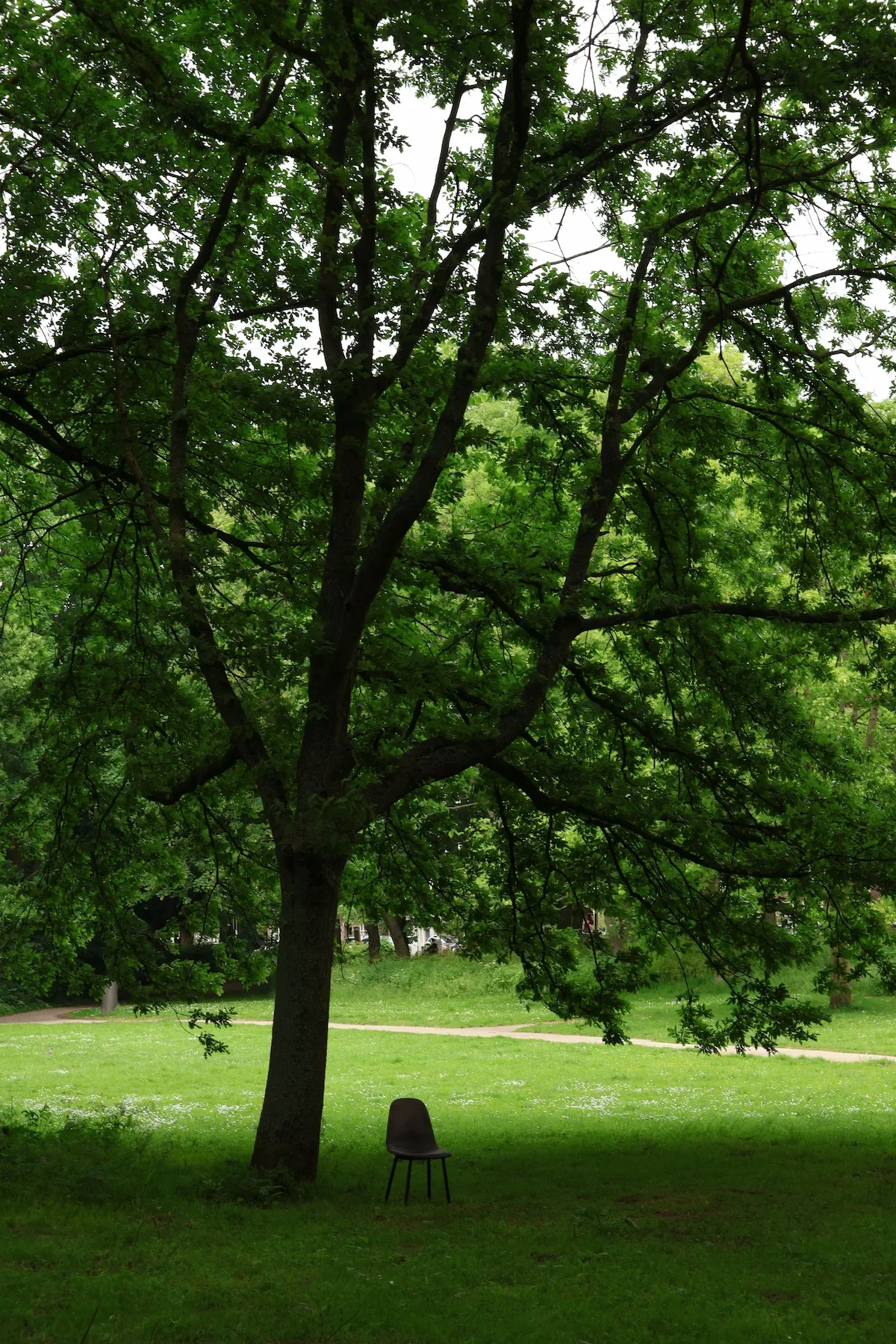
Single wooden chair beneath large tree Amsterdam park, fine art photography new collector first purchase
Buying art versus collecting art — what is the difference
Buying art and collecting art are not the same thing.
Buying art is a transaction. You see something, you like it, you acquire it. The work ends up on a wall. This is not wrong. But it is not collecting.
Collecting art is a practice. It involves intention — an understanding of what you are acquiring and why. It involves knowledge — of editions, of documentation, of what makes a work collectible rather than merely decorative. And it involves a point of view — a set of decisions that, taken together, form something that is more than the sum of its parts.
The difference matters because it determines what you end up with. A buyer ends up with objects. A collector ends up with a body of work — something that reflects a perspective, that holds meaning, that can be lived with for decades and passed on with context.
A collection is not a room full of things you like. It is a body of decisions.
This does not mean collecting is complicated. It means it is deliberate. And the first deliberate decision — the first work acquired with intention rather than impulse — is where a collection actually starts.

Empty bench Amsterdam park winter light, fine art photography art collecting for beginners
What to look for in a first work — four questions worth asking
The first purchase sets a standard. Not because it will necessarily be the most important work in the collection — it rarely is — but because the questions you ask before acquiring it become the habit of the collector you are becoming.
The first purchase is rarely the most important one. But it sets the standard for everything that follows.
Does it stop you?
You do not need to have looked at it ten times yet. The question is whether you want to. A work that releases its meaning quickly — that you fully understand on first viewing — will not hold your attention for twenty years. The works that last in a collection are the ones that keep producing: new readings, new questions, new resonances as your life changes around them. If you cannot stop looking at it — if it keeps producing — that is the sign worth trusting.
Is it made to last?
Fine art photography that is collectible is produced on archival-grade materials — pigment-based inks on acid-free paper, rated to last generations without fading. It comes with a certificate of authenticity that documents the edition number, the materials, and the artist's signature. It is hand-framed before it ships — arriving ready to place, with its certificate. These are not luxury details. They are the baseline of what makes a work collectible rather than decorative.
Is the edition closed and documented?
A limited edition is a commitment. The artist defines how many prints of this image will ever exist — and holds to it permanently. No reprints, no exceptions. The edition should be specific (3 of 5, not "limited series") and verifiable through the issuing atelier. This is what establishes the work's provenance — the verified record of what exists and who holds it. For a full explanation of what makes an edition legitimate, the guide to fine art photography prints covers every element.
Does the artist treat their work as a body?
An artist who frames carefully, documents rigorously, limits their edition seriously, and approaches their practice with consistency is an artist whose work is worth collecting. This is not about reputation or recognition — it is about commitment. The signals are in the work itself, in how it is presented, and in how the atelier that issues it responds when you ask about the edition.
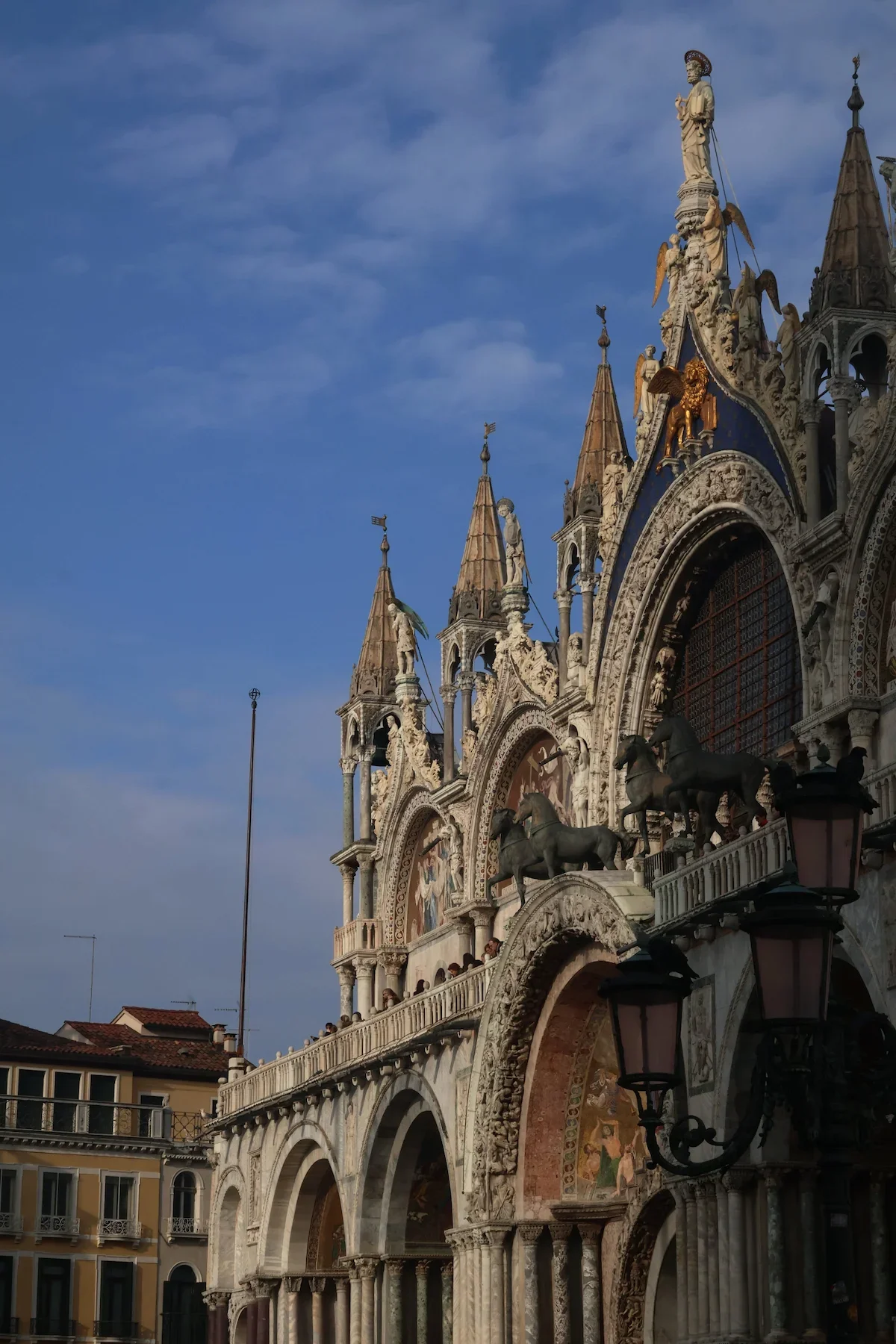
Golden ornate Venetian architectural detail close-up, fine art photography limited edition collectible
What does a first work look like — and where does it go?
This is the question most new collectors are afraid to ask. And it has a simpler answer than it seems.
Fine art photography at the atelier level — limited editions, hand-framed, fully documented — is significantly more accessible than comparable work in painting or sculpture. That accessibility is one of the reasons photography has become one of the most important entry points into serious collecting over the past two decades.
Works like Placed, Nobody's Bench, or Gravity's Silence — each existing in an edition of 5, hand-framed in Amsterdam, accompanied by a signed certificate — are exactly the kind of first acquisition that begins a practice rather than simply filling a wall. The inquiry process starts with a name and a title. Within 24 hours, the atelier responds with availability and a custom mockup of the work in your space — before you commit to anything.
If you are considering a first work as a gift — for someone beginning their own collection — the guide to gifts for art lovers covers what makes a first photograph worth giving.
As for where it goes: give it a wall and live with it for a week before deciding. The work tends to tell you. The collector who hangs something provisionally and then finds they have never moved it has found the right place.
Building a collection over time — where to go after the first work
The first work teaches you something about what you are drawn to. The second work tests whether that first response was consistent or incidental. By the third and fourth, a point of view begins to emerge — not always consciously, but it is there.
The collectors who build the most coherent collections are not the ones who plan them in advance. They are the ones who pay attention to what they keep returning to — a specific quality of light, a particular relationship between solitude and space, a recurring tension between the subject and its surroundings. These are not aesthetic preferences. They are the beginnings of a perspective.
The work that stops you on the first viewing rarely stops you on the tenth. The one that does is worth keeping.
A practical approach for the new collector: after acquiring a first work, live with it for several months before acquiring a second. The relationship you develop with the first work — what it produces over time, what you notice on the hundredth viewing that you missed on the first — teaches you more about what to look for next than any amount of research.
For collectors who are also thinking about the long-term value of what they acquire, the guide to how to invest in art covers the specific conditions that determine whether a work holds its value over time.
"I bought the first one because I couldn't stop thinking about it. I bought the second one because I realised I'd been doing that my whole life — just not acting on it." — E.M., New York
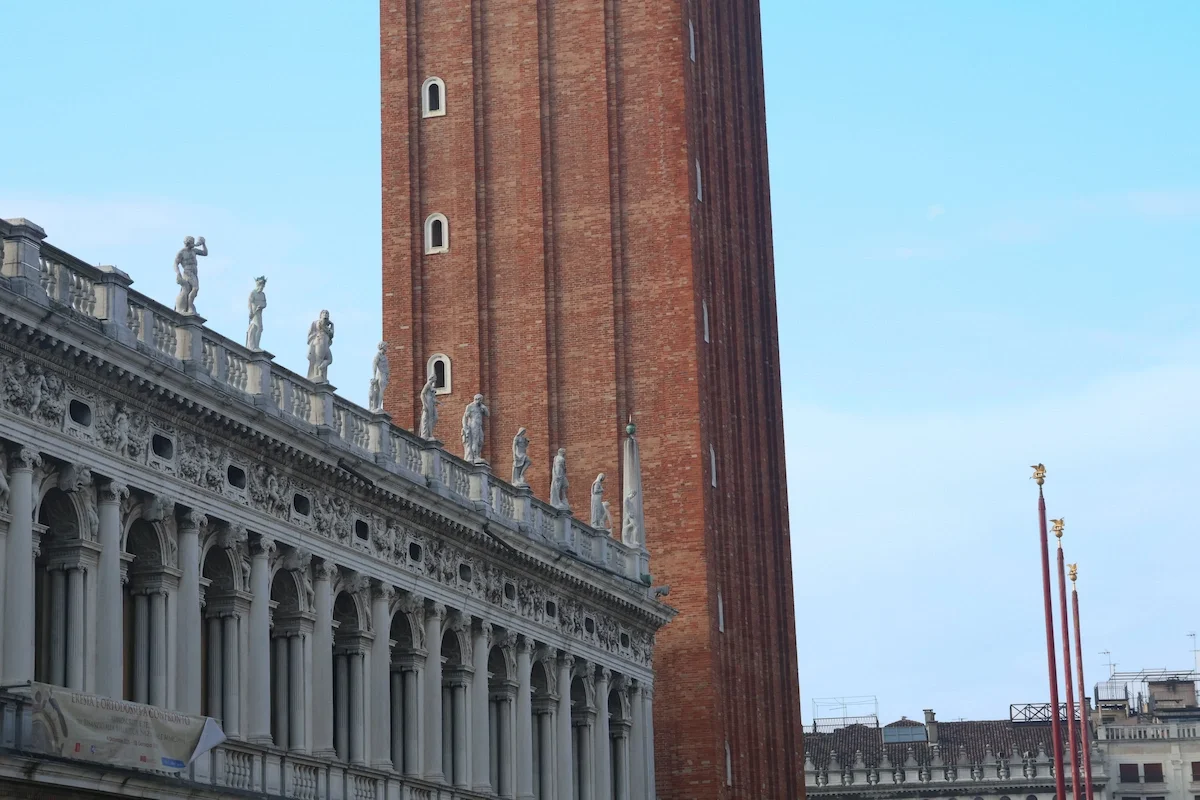
Small figurines on Venetian ledge overlooking canal, fine art photography edition of 5 collector
What a collection is — and what it is not
A collection is not a complete set. It is not a category. It is not a financial portfolio. It is a body of decisions — made over time, with intention, by someone whose eye has been trained by what they have already acquired.
The collector who buys one work per year for ten years, with full attention and deliberate intent, builds something more coherent than the one who acquires dozens in a rush. The pace does not matter. The intention does.
A collection grows in one direction or in every direction. Only one of those is a collection.
What the best collections share — regardless of medium, budget, or geography — is a point of view that becomes clearer over time. The works talk to each other. They argue, complement, echo. A visitor can feel the collector's eye in the room without the collector being present.
That does not happen by accident. It happens through the accumulation of deliberate decisions, each one made with the same questions the first one was: Does it stop me? Is it made to last? Is the edition closed? Does the artist treat their work as a body?
The process of acquiring — from first inquiry to delivery — is covered in full in how to buy your first fine art photograph.

Two figures facing each other coastal landscape, fine art photography art collection building
Frequently asked questions
How do I start collecting art?
Start with one work acquired with intention — not because it matches your sofa, but because it stops you. Before acquiring, ask: Is it produced on archival materials? Does it come with a documented certificate of authenticity? Is the edition closed and specific? Is the atelier behind it contactable and rigorous? If the answer to all four is yes, and the work keeps producing on repeated viewings, that is a collection beginning.
What should a first art purchase be?
The first purchase should be a work that you cannot fully explain your response to — that keeps producing new readings the longer you look. It should be produced on archival materials, issued in a documented limited edition, and accompanied by a certificate of authenticity. Size and medium matter less than the quality of the intention behind the work and the rigour of its documentation.
How do I know what to spend on my first piece of art?
The right amount is the one that makes the decision feel serious without feeling reckless. Fine art photography at the atelier level — limited editions, hand-framed, fully documented — is significantly more accessible than comparable work in other media. What matters more than the figure is the intention behind it: a considered acquisition at any level is the beginning of a practice. The inquiry process at Pictelier starts with a conversation — availability, options, and a custom mockup — before any commitment is made.
What is the difference between buying art and collecting art?
Buying art is a transaction — you acquire something you like. Collecting art is a practice — you acquire with intention, knowledge, and a developing point of view. A buyer ends up with objects. A collector ends up with a body of work that accumulates meaning over time. The difference is not about budget. It is about the questions you ask before you acquire.
How do I know if art is worth collecting?
Four conditions: the work is produced on archival-grade materials; it comes with a rigorous certificate of authenticity that documents the edition specifically; the edition is closed and enforced; and the artist approaches their practice with evident consistency and commitment. Beyond those conditions, the work should keep producing — new readings, new resonances — on repeated viewings. Works that release their meaning quickly tend not to hold attention. Works that hold attention tend to hold value.
A collection starts with one decision made well. The rest follows from that — not from a strategy, not from a budget, not from a category. From the habit of asking the right questions before you acquire.
The first step is looking. The second is knowing how to buy.
A collection begins the moment a work changes the room it enters.
Start by browsing the collection. See what stops you.
Ready to make your first acquisition?
Leave your name and the title of the work. You'll hear back within 24 hours with availability, framing options, and a custom mockup for your space.
