
How to Invest in Art — What Holds Value Over Time
How to invest in art — what actually holds value over time
Most conversations about art as investment start in the wrong place. They talk about auction records, about artist names, about markets. What they skip is the more fundamental question: what makes a specific work worth acquiring in the first place — and what determines whether it will hold that value for twenty years?
The answer is not about trends. It is not about what is selling. It is about understanding what separates a work made to last from one made to sell. That distinction exists in every medium. In fine art photography, it is particularly clear — because the same image can exist as a collectible print and as a reproduction, and they are fundamentally different objects.
Art does not hold its value. Specific art does.
This guide is not financial advice. It is an attempt to explain the logic of fine art photography as a collectible — what makes a work worth acquiring, and what questions to ask before you do.
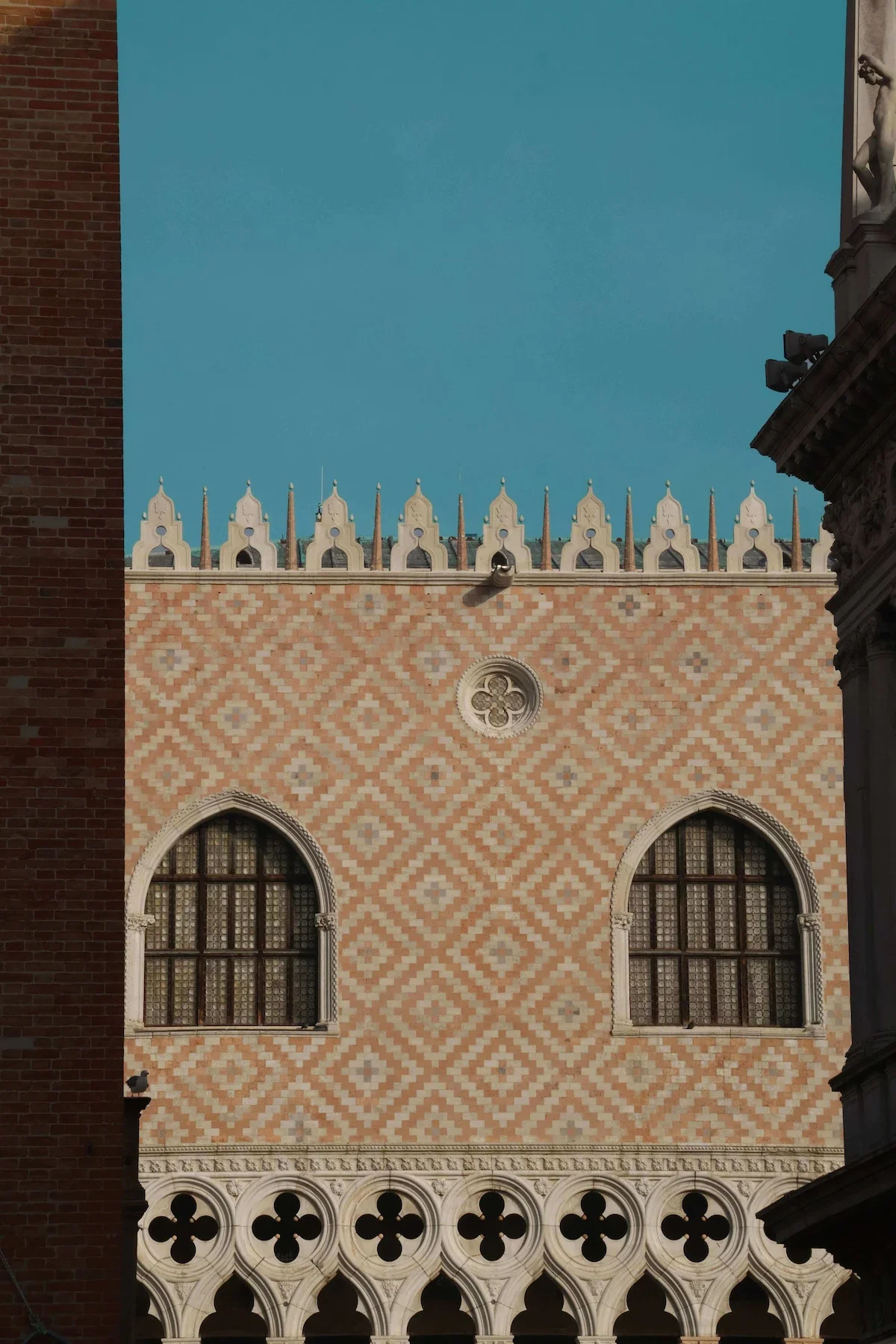
Gothic Ca'd'Oro facade golden stone Venice canal, limited edition fine art photography investment value
What makes art hold its value — the four factors
Value in art does not come from one thing. It comes from the intersection of several factors that, taken together, determine whether a work is collectible or merely decorative. Understanding all four is what separates a collector from a buyer.
1. Artistic intention and singularity
The foundation of value in any work of art is the intention behind it. A fine art photograph made with a singular vision — where every decision, from composition to framing to edition size, was deliberate — carries a different kind of authority than one produced to fill a format.
Singularity does not mean uniqueness in the sense of one copy. It means that the image could not have been made by anyone else, in the same way, at the same moment. That quality is what collectors return to when they live with a work for years. It is also what makes the work difficult to replace — which is the basis of lasting value.
The question is not whether you like it. The question is whether it was made to last.
2. Edition size and enforcement
In fine art photography, scarcity is not inherent — a digital file can be printed infinitely. Edition size is the artist's commitment to limit that reproduction. It is the mechanism that creates scarcity where none would otherwise exist.
The edition size matters. But what matters more is whether it is enforced. An artist who commits to an edition of 5 and holds to it permanently — no reprints, no additional sizes released under different names, no exceptions — is offering something fundamentally different from one who uses "limited edition" as a marketing phrase without verifiable documentation.
An edition of 5 is not a marketing decision. It is a commitment to scarcity.
At Pictelier, every work exists in an edition of 5 per size. Three sizes, three independent editions. When an edition closes, it closes permanently. This is not a number chosen for its resonance — it is the number that allows the work to reach the collectors it belongs to, and no more.
Parasail two figures cyan sky ocean horizon, minimalist fine art photography limited edition investment
3. Documentation and provenance
A work without documentation is a claim. A work with rigorous documentation is a record. The difference matters enormously when the work changes hands — through resale, insurance, estate valuation, or gift. Provenance — the verified history of a work's ownership — is what makes that transfer possible without ambiguity.
For fine art photography, documentation means a certificate of authenticity that records the edition number, the total edition size, the artist's signature, the production materials, and the date. It means the certificate is issued by a contactable atelier that can verify the record. And it means the physical work and the certificate travel together — because one without the other is incomplete.
Documentation is not paperwork. It is what makes ownership transferable.
This is why the absence of documentation is not a minor detail when acquiring art. A beautiful print without a rigorous certificate is difficult to insure at full value, difficult to resell with authority, and impossible to verify for an estate. The documentation is not an addition to the work. It is part of what makes the work collectible.
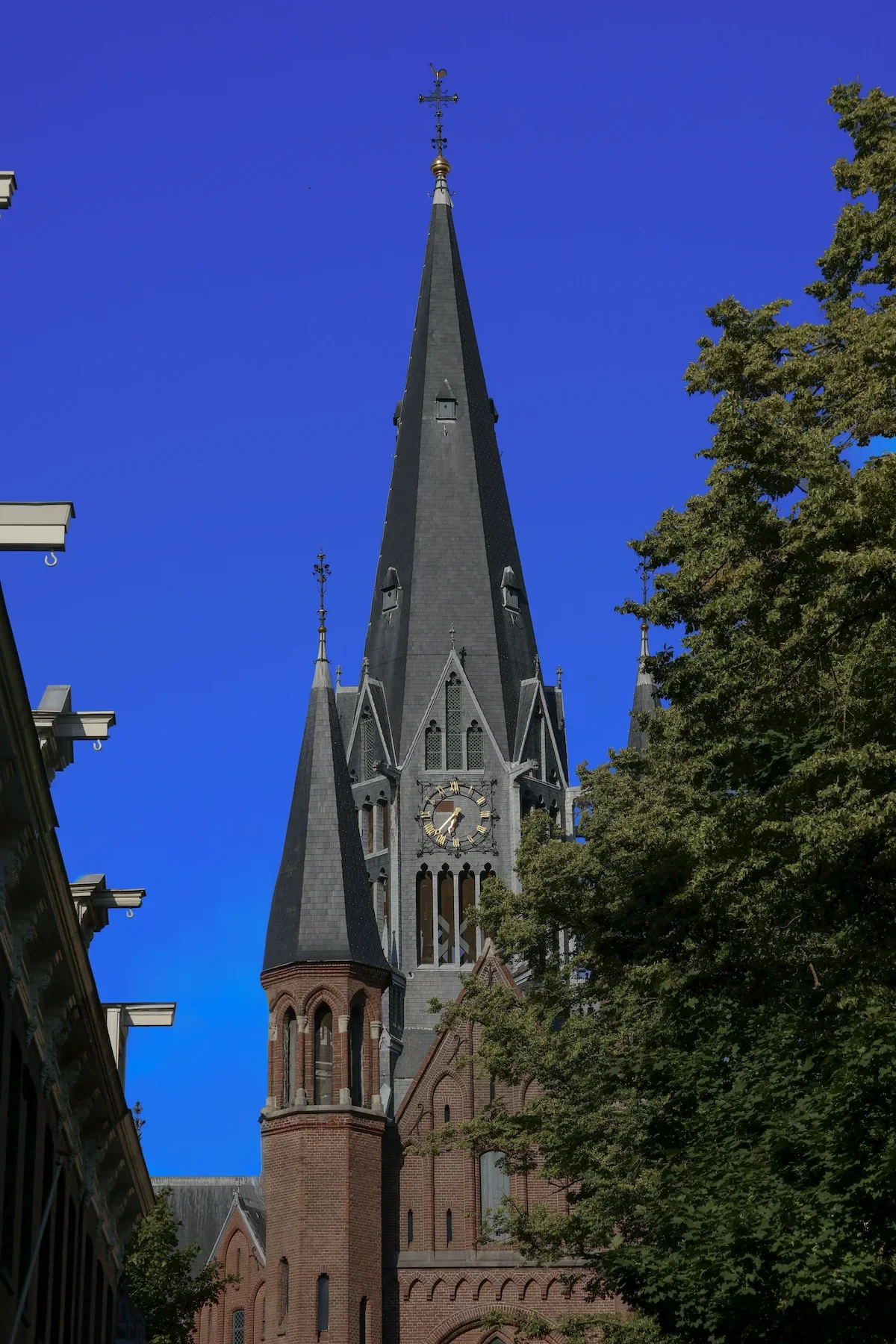
Gothic church tower Amsterdam at dusk, fine art photography certificate of authenticity provenance
4. Artist trajectory
The fourth factor is the one most difficult to evaluate and the most important for long-term value: the trajectory of the artist. A work by an artist whose reputation is growing — whose work is entering collections, being exhibited, being written about — will appreciate differently than a work by an artist whose trajectory is static or unclear.
This is not about fame. It is about the quality of attention the work receives over time. A single serious collector, a single significant placement, a single critical notice — these can shift the perceived value of an edition. They are signals that the work is being taken seriously beyond the initial transaction.
For a new collector, the practical implication is this: buy the work that stops you, from an artist whose commitment to the practice is evident. The artist who treats their work as a body — who frames it carefully, documents it rigorously, limits its edition seriously — is the one whose trajectory is worth paying attention to.
"I spent three months researching before I inquired. I decided in thirty seconds when I saw it." — K.A., Dubai
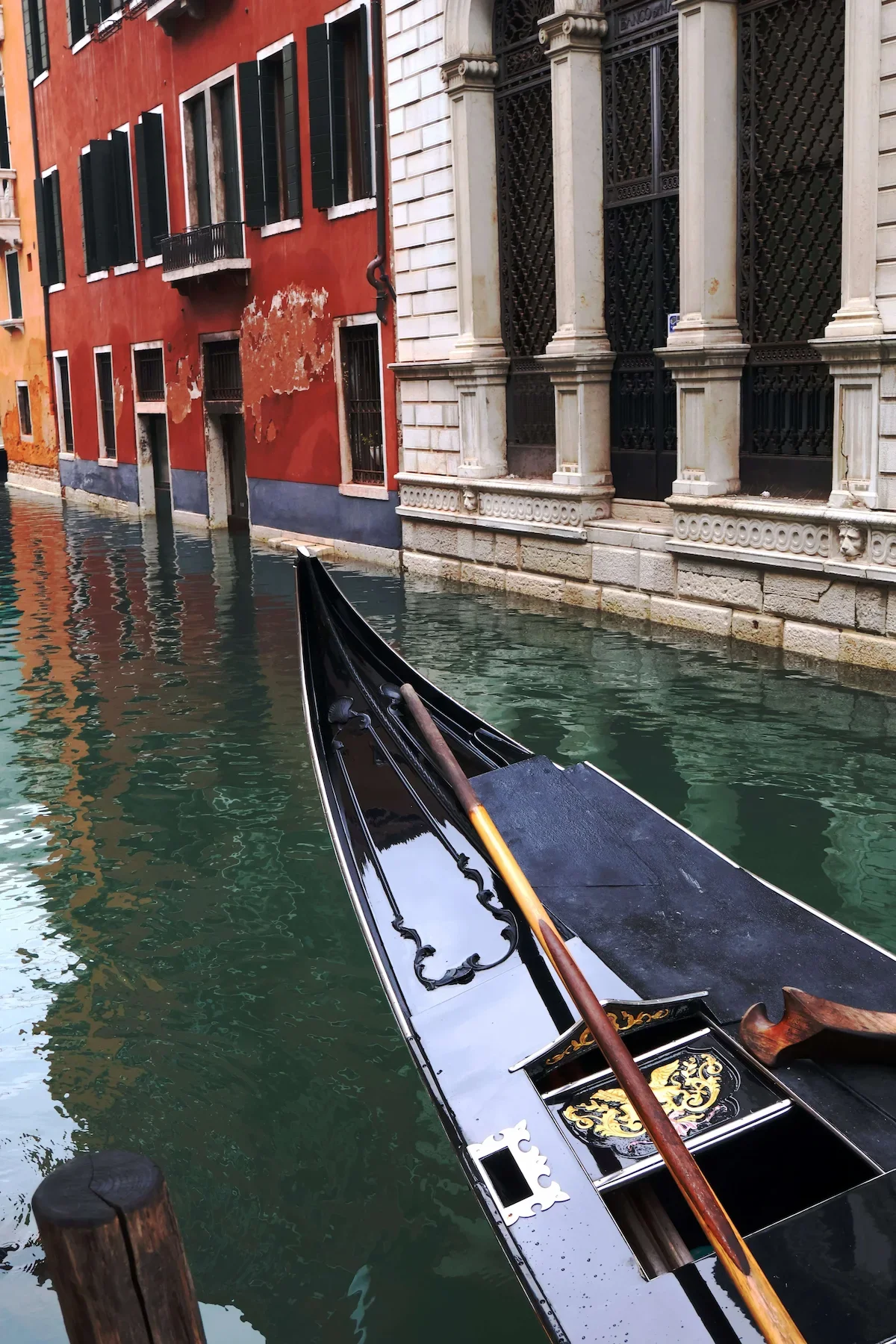
Black gondola prow against Venice canal water, fine art photography edition of 5 collectible
Fine art photography as investment — what is different about the medium
Fine art photography occupies a specific position in the collectible art market. It is more accessible than painting at the entry level — well-documented, limited edition prints by serious ateliers start at a few hundred euros, significantly below comparable work in other media. That accessibility is not a weakness. It is the reason the market has expanded without interruption since 2000.
The global art market reached $11.1 billion in auction turnover in 2025 — a 12% increase year-on-year — according to Artprice, the world's leading art market data source. The contemporary art market has grown over 1,800% since 2000. Photography and prints have been among the most consistent growth segments, driven by their accessibility and the rigour of documentation that serious ateliers now apply.
Unlike financial instruments, art is an illiquid asset — it does not have a daily market price. That illiquidity is part of what makes it a long-term decision rather than a short-term one. The collector who acquires with a twenty-year horizon and the right conditions — small edition, rigorous documentation, clear intention — is the one positioned to benefit from that growth.
What makes fine art photography distinct as a collectible is the relationship between the image and the object. The image is the creative act. The print is the collectible. And the print's value is tied not just to the image but to the specific object — the paper, the framing, the number, the certificate. A collector who understands this distinction is not buying a photograph. They are acquiring a document of a decision.
The collector who buys with intention rarely regrets it. The one who buys on impulse often does.
What to look for before acquiring — a practical checklist
Before acquiring any fine art photography print as a collectible, these are the questions worth asking:
Does the edition have a specific, verifiable number?
"Edition of 5" is specific. "Limited edition" without a number is not. The edition size should be stated clearly on the certificate and verifiable through the issuing atelier.
Is the edition enforced?
Can you contact the artist or atelier and ask which prints in this edition have been placed? A rigorous atelier knows the answer. An operation that cannot tell you is one that has not committed to the edition.
Is the documentation complete?
The certificate of authenticity should record: edition number, total edition size, artist signature, production materials , and dimensions. If any of these are absent, the documentation is incomplete.
Does the work have a clear artistic intention?
A work made with a singular vision — where the image, the edition, and the framing were all deliberate decisions — carries a different authority than one produced reactively. The artist's other work, their consistency, and their approach to their practice are all signals.
Does it stop you?
This is not the least important question. It is the first one. A work that does not stop you will not hold your attention for twenty years. And the works that hold attention are the ones that hold value.
If the answer is yes — the inquiry process starts here.
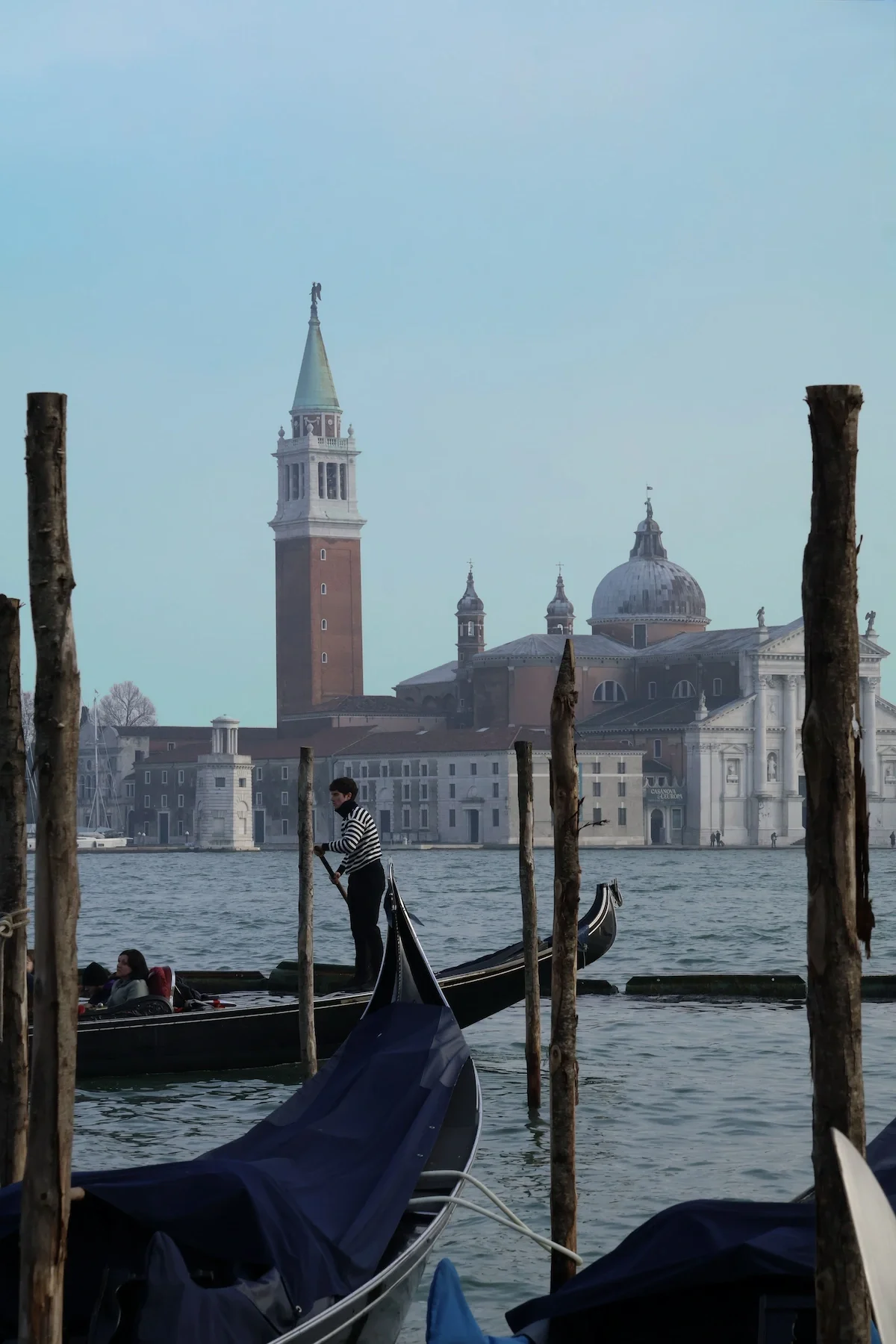
Solitary figure Venice canal perspective distance, fine art photography limited edition collectible
Frequently asked questions
Is art a good investment?
Art can be a good investment under specific conditions — small editions, rigorous documentation, clear artistic intention, and an artist whose trajectory is credible. Art acquired purely for decoration, in unlimited quantities, without documentation, is not an investment. It is a purchase. The distinction is meaningful, and the difference in long-term value between the two is significant.
Does fine art photography appreciate in value?
Fine art photography with small editions, rigorous documentation, and serious artistic intention has appreciated consistently as a category over the past two decades. Individual works vary — the ones that appreciate most tend to have the smallest editions and the clearest provenance. As with any collectible, past performance is not a guarantee, but the structural factors that drive value in photography are well established.
What makes a limited edition print valuable?
Three things: the size of the edition (smaller is more scarce), the rigour of the documentation (a verifiable certificate with specific details), and the quality of the artistic intention behind the image. A limited edition print with all three is a collectible. Missing any one of them significantly reduces the case for long-term value.
What is provenance in art?
Provenance is the verified history of a work of art — who made it, when, in what edition, and who has owned it since. For fine art photography, provenance begins with the certificate of authenticity issued at the time of acquisition and continues through any subsequent transfers of ownership. It is the document trail that makes a work traceable, insurable, and resaleable with authority.
How do I know if art will hold its value?
No acquisition comes with a guarantee. But the conditions most associated with value retention are: a closed, numbered edition of 20 or fewer; a rigorous certificate of authenticity from a contactable source; archival-quality materials; and an artist whose commitment to their practice is consistent
Acquiring art with intention is not the same as speculating on art. The collector who understands what they are holding — the specific object, the specific number, the specific decision it represents — is the one who holds it without regret.
For a complete guide to the process of acquiring a fine art photograph — from first inquiry to delivery — read how to buy your first fine art photograph. For a deeper understanding of what makes a print collectible, the guide to fine art photography prints covers every element.
The collector who buys with intention rarely regrets it.
The works that stop you are the ones worth acquiring.
Leave your name and the title of the work. You'll hear back within 24 hours with availability, framing options, and a custom mockup for your space
