
Fine Art Photography Prints — What Makes One Worth Collecting
Fine art photography prints — what separates a collectible from a reproduction
Not every photograph on paper is a fine art print. The term is used loosely — by platforms that mean decoration, by galleries that mean something specific, and by collectors who have learned to tell the difference. That difference is what determines whether the object on your wall holds its meaning for twenty years or begins to feel like everything else.
A fine art photography print is defined by three things: the intention behind the image, the materials it is produced on, and the documentation that accompanies it. Understanding all three is what fine art photography is actually about — and what makes it a distinct discipline from photography as documentation or decoration.

Snow-covered Victorian bandstand Amsterdam winter park, limited edition fine art photography print numbered signed
What makes a photography print fine art — and not just a photograph
The word "fine art" is not a quality designation. It is a statement about intent. A documentary photograph records what happened. A fine art photograph makes a claim about what it means.
The decision behind the image is what defines it. Where to stand. What to include. What to leave out. How the light divides the frame. Whether the subject is incidental to the idea — a bandstand in the snow, not a bandstand — or whether the subject is the idea itself. A fine art photographer is not capturing reality. They are making an argument about it.
A print is an object. A fine art print is a position.
This is why the same image can exist as a fine art print and as a reproduction, and why they are fundamentally different objects. The reproduction is unlimited. The fine art print exists in a defined number, produced to archival standards, with documentation that records its specific place in the edition. The image may be identical. The object is not.

Dense rows of Amsterdam bicycles canal bridge, fine art photography print Edition of 5 numbered
The materials — why paper and ink are part of the work
A fine art photography print is produced on archival-grade materials — paper rated to last decades without fading, deteriorating, or shifting colour. The standard in the industry is pigment-based inkjet printing on acid-free, cotton-rag paper — a process known in the trade as giclée printing. The most widely used papers in serious fine art printing are museum-grade cotton-rag substrates — 100% cotton, no acids, no lignin, rated for over a hundred years of stable display.
The paper is not a neutral surface. It has texture, weight, and the way light falls across it changes how the image reads. A photograph printed on museum-grade cotton rag looks and feels fundamentally different from the same image on standard photographic paper. The depth of the blacks, the way shadow detail holds, the slight warmth of the cotton surface — these are not incidental. They are part of the decision.
The paper is not a surface. It is part of the work.
This is why the certificate of authenticity records not just the edition number but the specific materials: paper type, ink type, dimensions. A collector insuring or reselling a work needs to know exactly what they hold. A print described as "archival" without specifying the substrate is a claim, not a specification.
At Pictelier, every print is produced on archival pigment-based materials and hand-framed in Amsterdam before it ships. The framing is part of the work — not an afterthought. The frame protects the materials and completes the presentation. When the work arrives, it is ready to be placed.
"When it arrived I didn't expect the frame to feel like part of the photograph. It does." — H.R., London
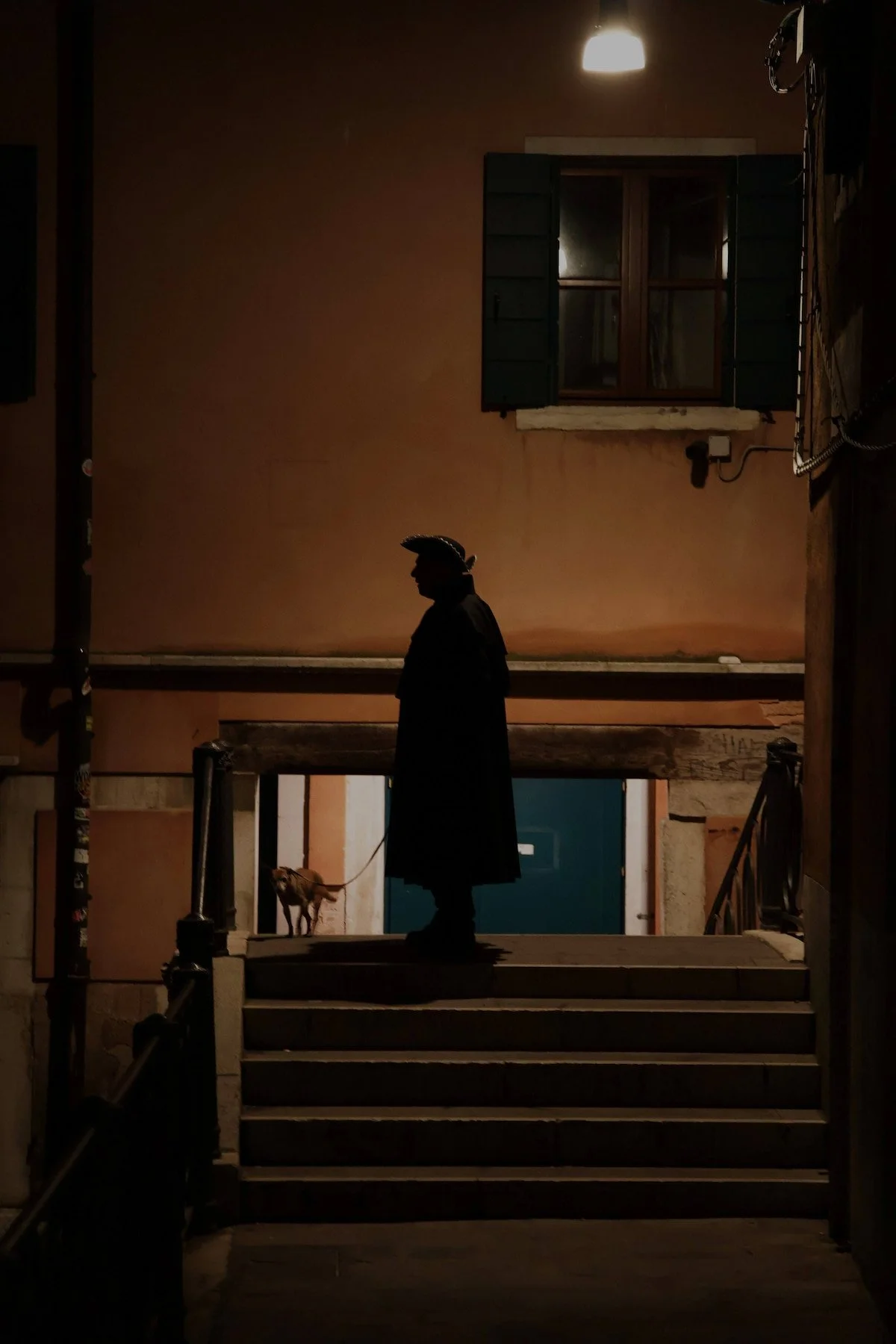
Solitary figure with dog Venice staircase at night, archival fine art photography print hand-framed Amsterdam
Edition size — what the number actually means
Every serious fine art photography print exists in a closed, numbered edition. The edition is the commitment the artist makes: this image will exist in exactly this many copies, at this size, and no more. When the edition closes, it closes permanently. No exceptions, no reprints, no additional runs at a different size under a different name.
The number matters. An edition of 5 means five collectors in the world will ever hold this specific print. An edition of 500 is not meaningless — but it is a different kind of object. The collector relationship to a work changes depending on how many other people hold it. Scarcity is not a marketing technique in fine art. It is a decision about how widely the work belongs.
An edition that is not enforced is not an edition. It is a suggestion.
This is the test. When evaluating any fine art photography print, the question is not just what the edition size is — it is who enforces it. Can you contact the artist or atelier and verify the specific edition record? Does the certificate of authenticity identify the exact print — edition 3/5, not "one of a limited series"? Is there a traceable record that will hold up through resale, insurance, and estate documentation?
For a complete guide to what a certificate of authenticity should contain and how to verify it, read the guide to the certificate of authenticity for art.

Parasail two figures cyan sky above ocean horizon, minimalist fine art photography print Edition of 5
Large format fine art photography prints — what changes at scale
Scale changes the relationship between an image and a room. A print at 30 × 45 cm asks to be looked at. A print at 60 × 90 cm or larger begins to claim space — it becomes part of the architecture of the room it enters. The same image at a larger scale can reveal detail invisible at smaller sizes: texture in a fabric, grain in stone, the specific quality of light on water at a particular hour.
Large format fine art prints require proportionally more from the materials. Archival paper must hold colour and detail consistently across the entire surface. Framing must be precisely calibrated — a millimetre of misalignment becomes visible at scale in a way it would not at smaller sizes. The weight of the work, physically and conceptually, increases.
At Pictelier, works are available in three sizes — S, M, and L — each existing as an independent edition of 5. The framing is chosen specifically for each image and each size. What works for a 30 × 45 cm print may not work at 60 × 90 cm — the tonal weight of the frame needs to be recalibrated for how the image reads at scale.
The number on the print is not a ranking. It is a record of what exists.
Signed and numbered prints — what the signature confirms
A signed fine art photography print carries the artist's handwritten signature — not a facsimile, not a stamp. The signature confirms that the artist has endorsed this specific copy. Combined with the certificate of authenticity, it establishes the print as a documented, traceable object.
The number within the edition — 2/5, 4/5 — records the print's specific position in the series. Neither is inherently more valuable than the other. What matters is that the number is verifiable through the certificate and through the issuing atelier's records. A signature without documentation is an assertion. A signature with a rigorous certificate is a record.
If you are evaluating a signed print for acquisition, the guide to buying fine art photography covers what to verify before committing — from edition documentation to how the inquiry process works
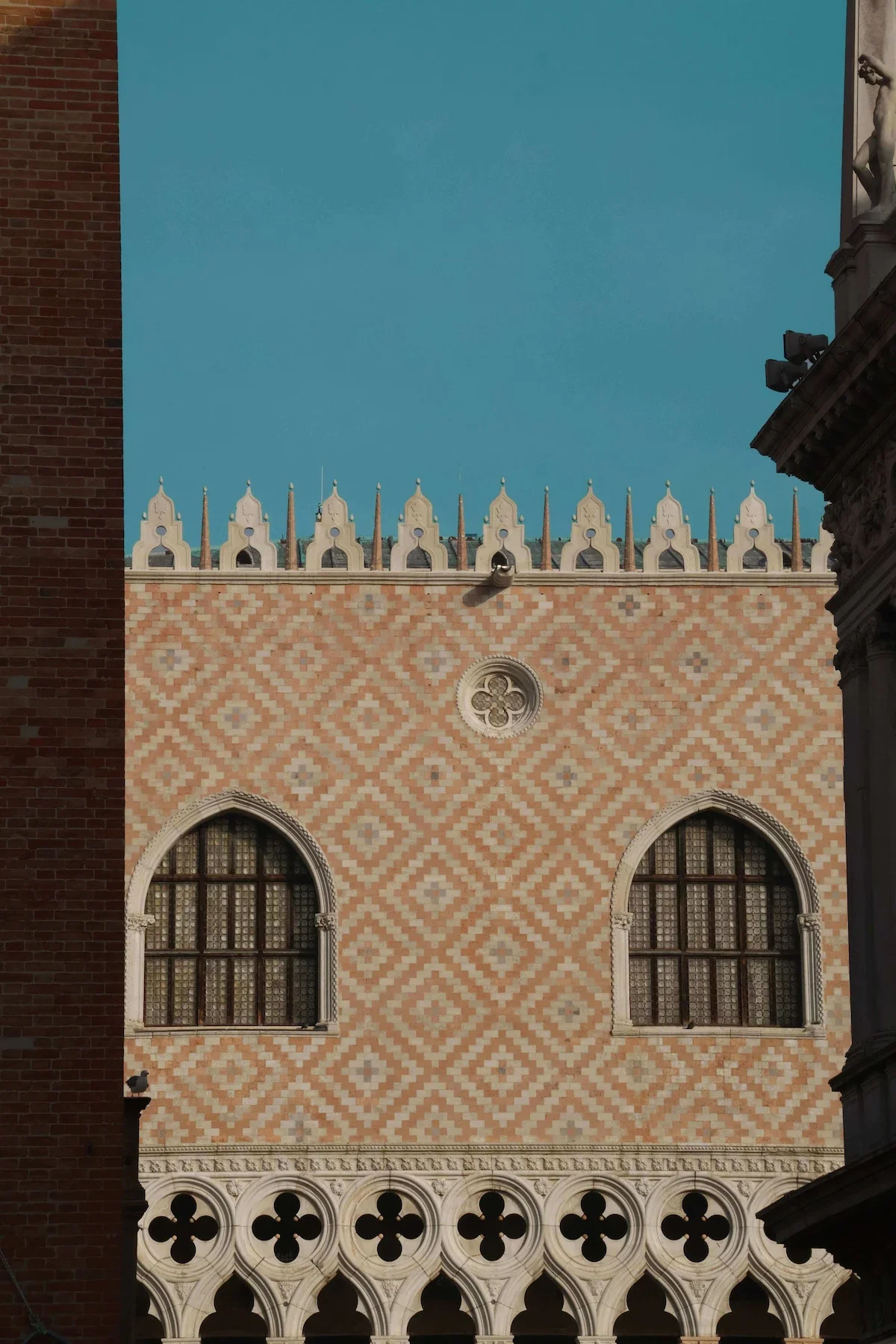
Gothic Ca'd'Oro facade golden stone Venice canal, large format fine art photography print numbered signed
Frequently asked questions
What is a fine art photography print?
A fine art photography print is a photograph produced in a closed, numbered edition on archival-grade materials — typically pigment-based inks on acid-free cotton-rag paper — with a certificate of authenticity recording the edition number, artist's signature, and production details. It is distinguished from a reproduction by its limited edition, its documentation, and the intention behind the image: a fine art print is made to be collected, not to decorate.
How do I know if a photography print is collectible?
Three things establish a collectible print: a closed, numbered edition with a specific number (3/5, not "limited series"); archival materials with documented specifications; and a certificate of authenticity issued by a contactable atelier that can verify the edition record. If any of these three are absent or vague, the print may be decorative but is not fully collectible in the traditional sense.
What is the difference between a print and a reproduction?
A reproduction is produced in unlimited quantities from a digital or photographic source. It may be high quality, but it is not scarce and carries no edition documentation. A fine art print exists in a defined, closed edition — typically 5 to 50 copies — on archival materials, with a certificate of authenticity. The image may be the same. The object and its relationship to scarcity and provenance are fundamentally different.
How many prints should a limited edition have?
Edition sizes vary widely, from 1 to several hundred. In the serious fine art photography market, editions of 5 to 25 are considered small and collectible. Editions above 50 are less standard for gallery-level work. What matters more than the number is that it is specific, documented, and enforced. An edition of 100 that is rigorously documented is more collectible than an edition of 5 with no certificate.
What makes a photography print valuable?
Value in fine art photography prints comes from several factors: the artistic significance of the image, the edition size and how many copies remain available, the archival quality of the materials, the rigour of the documentation, and the provenance — the verified history of who made it and when. A work that checks all of these boxes by an artist whose trajectory is recognised will hold and potentially grow its value over time. A work that decorates well but lacks documentation will not.
A fine art photography print is not a reproduction with a certificate attached to it. It is a specific object — produced in a defined number, on materials chosen for the image, framed and documented with precision, and issued as a record of a decision that was made once.
The works in the Pictelier collection exist in editions of 5, at three sizes, hand-framed in Amsterdam. For a complete guide to the process of acquiring one — from first inquiry to delivery — read how to buy your first fine art photograph.
What you are acquiring is not a copy. It is the work.
A work has caught your attention.
Leave your name and the title of the work. You'll hear back within 24 hours with availability, framing options, and a custom mockup for your space.
Or explore the collection — each work exists in an edition of 5 → pictelier.com/works
